Taking Your Client with ASD from Non-Vocal to Verbal
(Previously titled "Systematic Approach to Teaching Speech to Non-Vocal Individuals with Autism")
Course Description
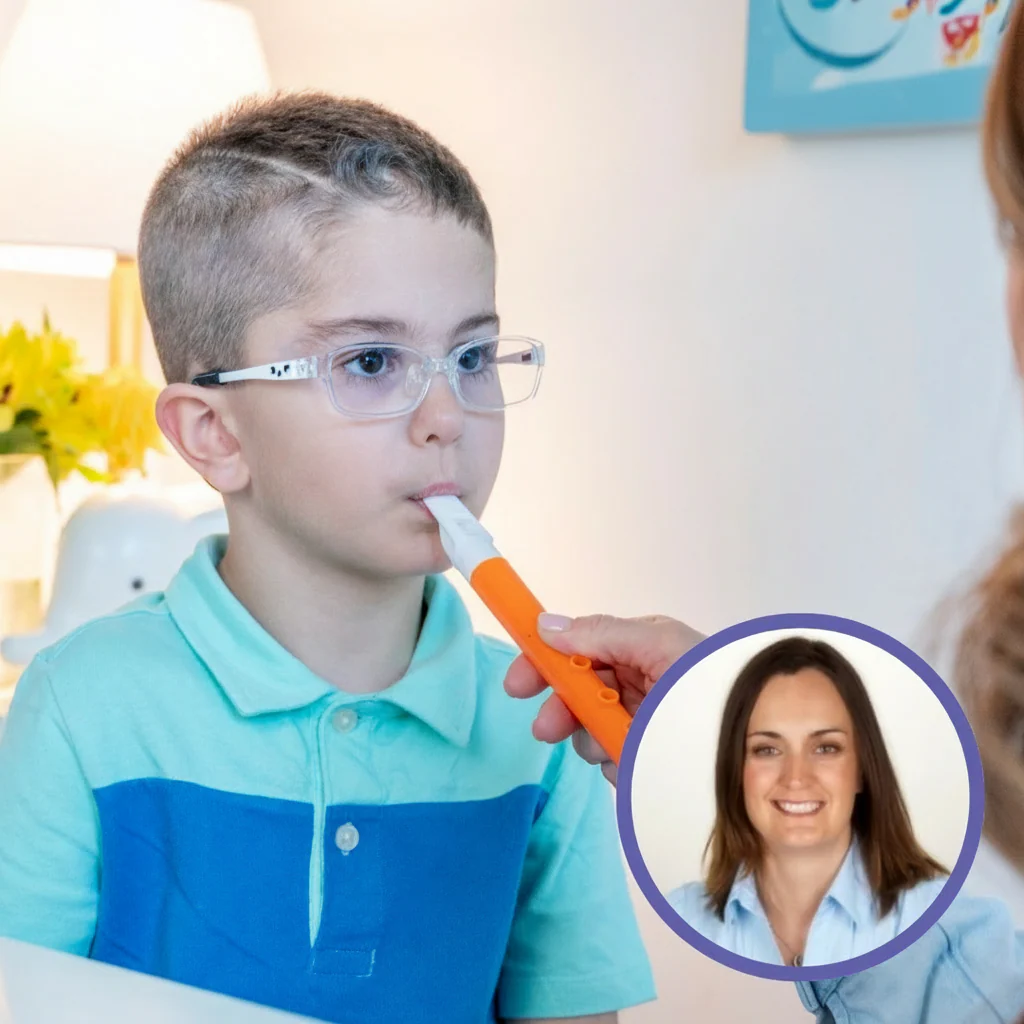
The course demonstrates the importance of using specific techniques within hierarchies to develop the oral placement skills for speech and feeding. For Speech and Language Pathologists and Occupational Therapists, this course demonstrates techniques developed within the Applied Behavior Analysis field to maximize learning for functional speech using reinforcement based procedures. The course guides all participants through a complete program beginning with developing cooperation and ending with functional vocabulary.
Learning Outcomes
Participants will be able to:
- Describe how the science of Applied Behavior Analysis in conjunction with oral placement and tactile therapies can be used to teach non-verbal or non-imitative clients with autism to speak.
- Identify the prerequisite skills necessary to teach vocal speech and apply 3-4 techniques in the applied behavior analysis research that have been used to develop vocalizations.
- Describe the sequential steps of developing functional communication beginning with motivation, reinforcement, motor imitation and specific shaping strategies that can be used to maximize learning of functional speech.
- Explain how many non-verbal clients with autism have underlying oral motor and motor planning deficits that should be addressed.
- Apply specific task analyzed techniques to assist the therapist in applying TalkTools hierarchies to individuals with autism.
- Identify the connection between oral placement skills and the motor aspects of speech
- Apply specific sequential techniques to transition oral placement skills to functional speech for those clients not responding to traditional verbal modeling and shaping techniques.

Content Disclosure: This presentation will focus on treatment methods related to the use of TalkTools® resources. Other similar treatment approaches will receive limited or no coverage during this lecture.
(pending AOTA approval)
Timed Agenda
Video Lessons 1 & 2 = 3 hours
- Why a Combined Applied Behavior Analysis & Speech Pathology Approach?
- Identify Current Definitions of Autism, Applied Behavior Analysis and Oral Placement Therapy (OPT).
- Definitions of Skinner’s Verbal Operants
- Systematic Program Overview
Video Lessons 3 & 4 = 3 Hours
- Key Principles of Applied Behavior Analysis: Motivation, Reinforcement and the Discrete Trial
- Developing Cooperation
- Manding: Importance and How to Teach
- Using Transitive Motivating Operations to Maximize Manding
- Motor Imitation: Importance and How to Teach
Video Lessons 5 & 6 = 3 Hours
- Oral Placement Therapy (OPT): Learn task analyzed techniques and specific behavioral techniques for implementing activities with clients who have had difficulty developing the motor plans to begin.
Video Lessons 7 & 8 = 3 Hours
- Using a Visual Schedule: When and How
- Teaching to Vocalize on Demand: Stimulus-Stimulus Pairing, Direct Reinforcement, Using Extinction, Rapid Motor Imitation.
- Bridging the Gap between Oral Placement Therapy (OPT) and Speech: Putting it All Together
- Bridging Strategies from Tool to Tactile Cue to Visual Cues Through Echoic (imitation) and Manding (function)
- Transitioning from Isolated Speech Sounds to Functional Words: Practicing Multisyllabic Motor Plans.
Instructors
Renee Roy Hill, MS, CCC-SLP instructor bio and financial disclosure
Risca Solomon, MS, BCBA instructor bio and financial disclosure
How e-learning works
Getting You Tech-Ready for Your TalkTools® Course
For Live Courses Visit our Event Calendar
Learning Options
- Online ONLY for 1 learner -- ACCESS TO ONLINE COURSE (downloadable handout, forms and charts)
- Online + SUPPLIES for 1 learner -- ACCESS TO ONLINE COURSE, plus the following supplies
- Horn #1, Straw #4, Straw C, Jaw Grading Bite Blocks Red, Tongue Depressor, Wooden Stir Stick, Sensi Coral Tip, 5 Toothies, Magenta Smooth Spoon, Cut-Out Cup.
- Suggested food supplies (not included): soft gum (BubbleYum), gummy bears, spit cup
-
Group Rate for 5 learners
- ACCESS TO ONLINE COURSE for 5 learners
- 5 sets of SUPPLIES listed above
Recommended Tools
- "Complete Apraxia Program"
- Red Bite Tubes | Yellow Bite Tubes
- Straw 1 | Straw 4 | Straw 5
Product Information
Product Information
Shipping & Returns
Shipping & Returns



Taking Your Client with ASD from Non-Vocal to Verbal
Taking Your Client with ASD from Non-Vocal to Verbal
(Previously titled "Systematic Approach to Teaching Speech to Non-Vocal Individuals with Autism")
Course Description
The course demonstrates the importance of using specific techniques within hierarchies to develop the oral placement skills for speech and feeding. For Speech and Language Pathologists and Occupational Therapists, this course demonstrates techniques developed within the Applied Behavior Analysis field to maximize learning for functional speech using reinforcement based procedures. The course guides all participants through a complete program beginning with developing cooperation and ending with functional vocabulary.
Learning Outcomes
Participants will be able to:
- Describe how the science of Applied Behavior Analysis in conjunction with oral placement and tactile therapies can be used to teach non-verbal or non-imitative clients with autism to speak.
- Identify the prerequisite skills necessary to teach vocal speech and apply 3-4 techniques in the applied behavior analysis research that have been used to develop vocalizations.
- Describe the sequential steps of developing functional communication beginning with motivation, reinforcement, motor imitation and specific shaping strategies that can be used to maximize learning of functional speech.
- Explain how many non-verbal clients with autism have underlying oral motor and motor planning deficits that should be addressed.
- Apply specific task analyzed techniques to assist the therapist in applying TalkTools hierarchies to individuals with autism.
- Identify the connection between oral placement skills and the motor aspects of speech
- Apply specific sequential techniques to transition oral placement skills to functional speech for those clients not responding to traditional verbal modeling and shaping techniques.
Content Disclosure: This presentation will focus on treatment methods related to the use of TalkTools® resources. Other similar treatment approaches will receive limited or no coverage during this lecture.
(pending AOTA approval)
Timed Agenda
Video Lessons 1 & 2 = 3 hours
- Why a Combined Applied Behavior Analysis & Speech Pathology Approach?
- Identify Current Definitions of Autism, Applied Behavior Analysis and Oral Placement Therapy (OPT).
- Definitions of Skinner’s Verbal Operants
- Systematic Program Overview
Video Lessons 3 & 4 = 3 Hours
- Key Principles of Applied Behavior Analysis: Motivation, Reinforcement and the Discrete Trial
- Developing Cooperation
- Manding: Importance and How to Teach
- Using Transitive Motivating Operations to Maximize Manding
- Motor Imitation: Importance and How to Teach
Video Lessons 5 & 6 = 3 Hours
- Oral Placement Therapy (OPT): Learn task analyzed techniques and specific behavioral techniques for implementing activities with clients who have had difficulty developing the motor plans to begin.
Video Lessons 7 & 8 = 3 Hours
- Using a Visual Schedule: When and How
- Teaching to Vocalize on Demand: Stimulus-Stimulus Pairing, Direct Reinforcement, Using Extinction, Rapid Motor Imitation.
- Bridging the Gap between Oral Placement Therapy (OPT) and Speech: Putting it All Together
- Bridging Strategies from Tool to Tactile Cue to Visual Cues Through Echoic (imitation) and Manding (function)
- Transitioning from Isolated Speech Sounds to Functional Words: Practicing Multisyllabic Motor Plans.
Instructors
Renee Roy Hill, MS, CCC-SLP instructor bio and financial disclosure
Risca Solomon, MS, BCBA instructor bio and financial disclosure
How e-learning works
Getting You Tech-Ready for Your TalkTools® Course
For Live Courses Visit our Event Calendar
Learning Options
- Online ONLY for 1 learner -- ACCESS TO ONLINE COURSE (downloadable handout, forms and charts)
- Online + SUPPLIES for 1 learner -- ACCESS TO ONLINE COURSE, plus the following supplies
- Horn #1, Straw #4, Straw C, Jaw Grading Bite Blocks Red, Tongue Depressor, Wooden Stir Stick, Sensi Coral Tip, 5 Toothies, Magenta Smooth Spoon, Cut-Out Cup.
- Suggested food supplies (not included): soft gum (BubbleYum), gummy bears, spit cup
-
Group Rate for 5 learners
- ACCESS TO ONLINE COURSE for 5 learners
- 5 sets of SUPPLIES listed above
Recommended Tools
- "Complete Apraxia Program"
- Red Bite Tubes | Yellow Bite Tubes
- Straw 1 | Straw 4 | Straw 5
Original: $230.00
-65%$230.00
$80.50Product Information
Product Information
Shipping & Returns
Shipping & Returns
Description
(Previously titled "Systematic Approach to Teaching Speech to Non-Vocal Individuals with Autism")
Course Description
The course demonstrates the importance of using specific techniques within hierarchies to develop the oral placement skills for speech and feeding. For Speech and Language Pathologists and Occupational Therapists, this course demonstrates techniques developed within the Applied Behavior Analysis field to maximize learning for functional speech using reinforcement based procedures. The course guides all participants through a complete program beginning with developing cooperation and ending with functional vocabulary.
Learning Outcomes
Participants will be able to:
- Describe how the science of Applied Behavior Analysis in conjunction with oral placement and tactile therapies can be used to teach non-verbal or non-imitative clients with autism to speak.
- Identify the prerequisite skills necessary to teach vocal speech and apply 3-4 techniques in the applied behavior analysis research that have been used to develop vocalizations.
- Describe the sequential steps of developing functional communication beginning with motivation, reinforcement, motor imitation and specific shaping strategies that can be used to maximize learning of functional speech.
- Explain how many non-verbal clients with autism have underlying oral motor and motor planning deficits that should be addressed.
- Apply specific task analyzed techniques to assist the therapist in applying TalkTools hierarchies to individuals with autism.
- Identify the connection between oral placement skills and the motor aspects of speech
- Apply specific sequential techniques to transition oral placement skills to functional speech for those clients not responding to traditional verbal modeling and shaping techniques.
Content Disclosure: This presentation will focus on treatment methods related to the use of TalkTools® resources. Other similar treatment approaches will receive limited or no coverage during this lecture.
(pending AOTA approval)
Timed Agenda
Video Lessons 1 & 2 = 3 hours
- Why a Combined Applied Behavior Analysis & Speech Pathology Approach?
- Identify Current Definitions of Autism, Applied Behavior Analysis and Oral Placement Therapy (OPT).
- Definitions of Skinner’s Verbal Operants
- Systematic Program Overview
Video Lessons 3 & 4 = 3 Hours
- Key Principles of Applied Behavior Analysis: Motivation, Reinforcement and the Discrete Trial
- Developing Cooperation
- Manding: Importance and How to Teach
- Using Transitive Motivating Operations to Maximize Manding
- Motor Imitation: Importance and How to Teach
Video Lessons 5 & 6 = 3 Hours
- Oral Placement Therapy (OPT): Learn task analyzed techniques and specific behavioral techniques for implementing activities with clients who have had difficulty developing the motor plans to begin.
Video Lessons 7 & 8 = 3 Hours
- Using a Visual Schedule: When and How
- Teaching to Vocalize on Demand: Stimulus-Stimulus Pairing, Direct Reinforcement, Using Extinction, Rapid Motor Imitation.
- Bridging the Gap between Oral Placement Therapy (OPT) and Speech: Putting it All Together
- Bridging Strategies from Tool to Tactile Cue to Visual Cues Through Echoic (imitation) and Manding (function)
- Transitioning from Isolated Speech Sounds to Functional Words: Practicing Multisyllabic Motor Plans.
Instructors
Renee Roy Hill, MS, CCC-SLP instructor bio and financial disclosure
Risca Solomon, MS, BCBA instructor bio and financial disclosure
How e-learning works
Getting You Tech-Ready for Your TalkTools® Course
For Live Courses Visit our Event Calendar
Learning Options
- Online ONLY for 1 learner -- ACCESS TO ONLINE COURSE (downloadable handout, forms and charts)
- Online + SUPPLIES for 1 learner -- ACCESS TO ONLINE COURSE, plus the following supplies
- Horn #1, Straw #4, Straw C, Jaw Grading Bite Blocks Red, Tongue Depressor, Wooden Stir Stick, Sensi Coral Tip, 5 Toothies, Magenta Smooth Spoon, Cut-Out Cup.
- Suggested food supplies (not included): soft gum (BubbleYum), gummy bears, spit cup
-
Group Rate for 5 learners
- ACCESS TO ONLINE COURSE for 5 learners
- 5 sets of SUPPLIES listed above
Recommended Tools
- "Complete Apraxia Program"
- Red Bite Tubes | Yellow Bite Tubes
- Straw 1 | Straw 4 | Straw 5